


The History of the Gazzini Company
History is a tale and this story is to be savored.
The History
The Origins
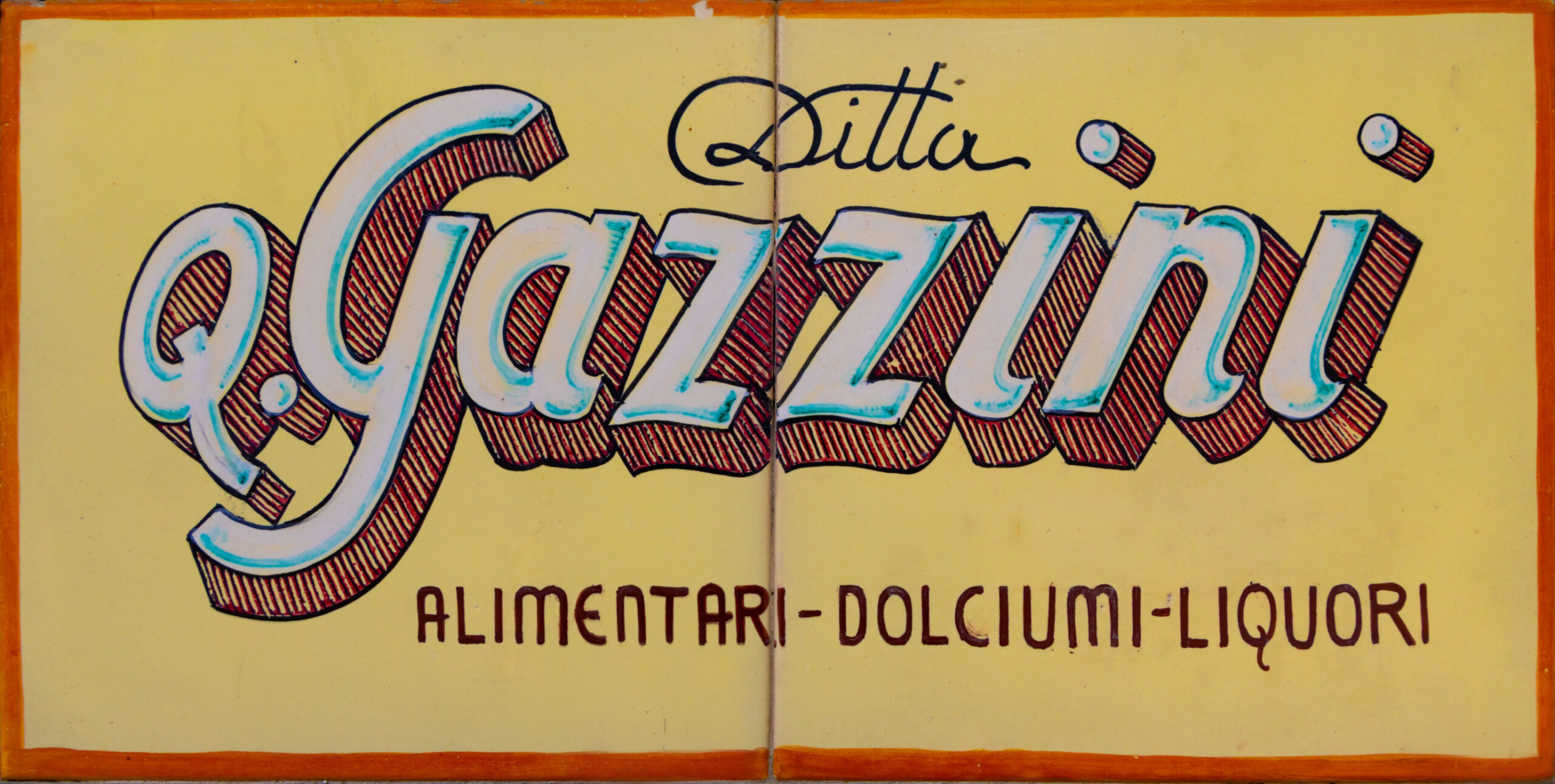
Originally from Montelupo Fiorentino, the Gazzini family relocated to Cortona in the second half of the 19th century. In 1891, Quirino founded the namesake company, which became renowned for supplying fine food products as well as producing artisanal liqueurs and confectionery. Active until the 1980s, the company built over nearly ninety years an extensive commercial network serving a huge part of the Val di Chiana, with established trade connections throughout Tuscany, Umbria, and Emilia-Romagna. The premises were located in Camucia, along Viale della Stazione. Beneath the shop stood a fully equipped production laboratory dedicated to alcoholic beverages, complete with an adjoining distillery. Unfortunately, little of this facility survives today; distillation equipment and machinery were gradually lost to time and neglect. What has endured, however, is the company’s documentary heritage: shop floor plans, transport documents, invoices, and original recipes have been carefully preserved and catalogued. The company distinguished itself through the production of alcoholic beverages and aromatic essences deeply rooted in the Italian herbal tradition.
A New Way of Drinking
Gazzini was established during a historical period in which Italian craftsmanship reached its peak in the field of pharmaceutical herbalism. The extensive research conducted on botanical classification, covering both wild and cultivated plants, together with pharmacological texts detailing their applications, played a fundamental role in affirming this Italian excellence. Gazzini was therefore one of the many Italian enterprises, many of which have now disappeared, who transformed the way people drank in Italy and abroad. Moving beyond the traditional supremacy of wine, these producers sought to create something new and distinctive, capable of earning its place on the international stage of fine beverages. The numerous recovered recipes bear witness to a period of profound change in the relationship with alcoholic drinks. Vermouth, bitters, amari, and distilled spirits such as gin and cognac were increasingly entering both the market and Italian households. Gazzini, too, offered its own interpretations of these emerging categories, contributing to a new and refined drinking culture.

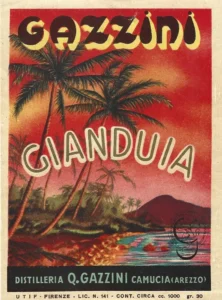
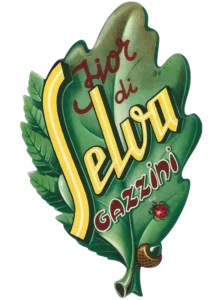
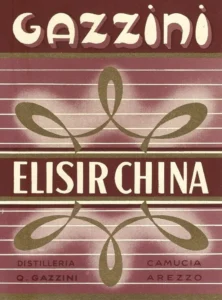
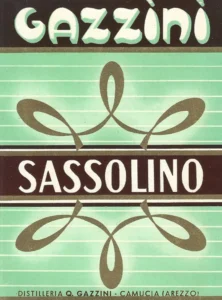
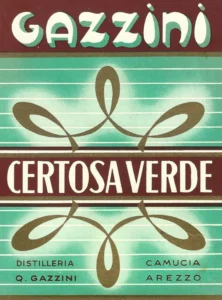
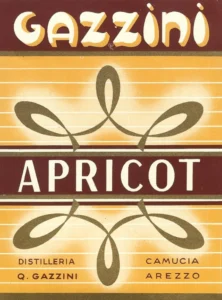
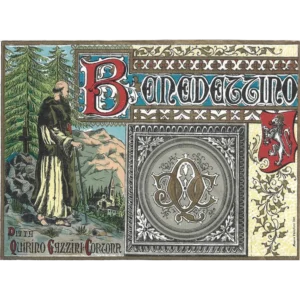
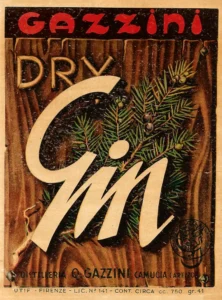
The Ancient Labels of the Company
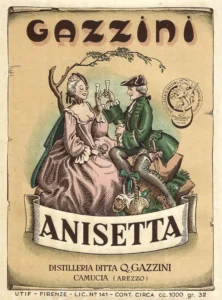
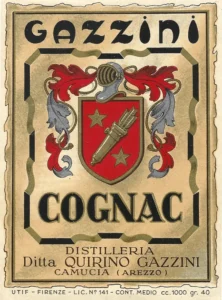
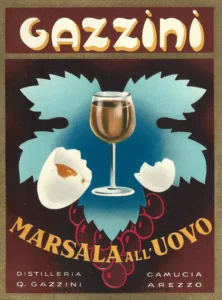

Historic Bottles
Another fundamental element of this legacy lies in the historic liqueur bottles discovered intact which are original creations by Quirino himself, still bearing labels rich in the vintage aesthetic that defined the era of the shop. The Gazzini company permanently closed in the early 1980s. Many of those who were children or teenagers at the time remember it fondly for the abundant displays of sweets and chocolate that filled the store. Older generations, instead, recall its celebrated liqueurs and distilled spirits, known in particular for their distinctive labels. These surviving bottles offer a tangible link to what the shop once represented and to the role such establishments played in the past, to these places where retail purchasing was a profoundly different experience from what it is today. They evoke a time when craftsmanship, personal relationships, and product authenticity defined the very act of buying and tasting.